Social Media
@thesoundelaysThe Band
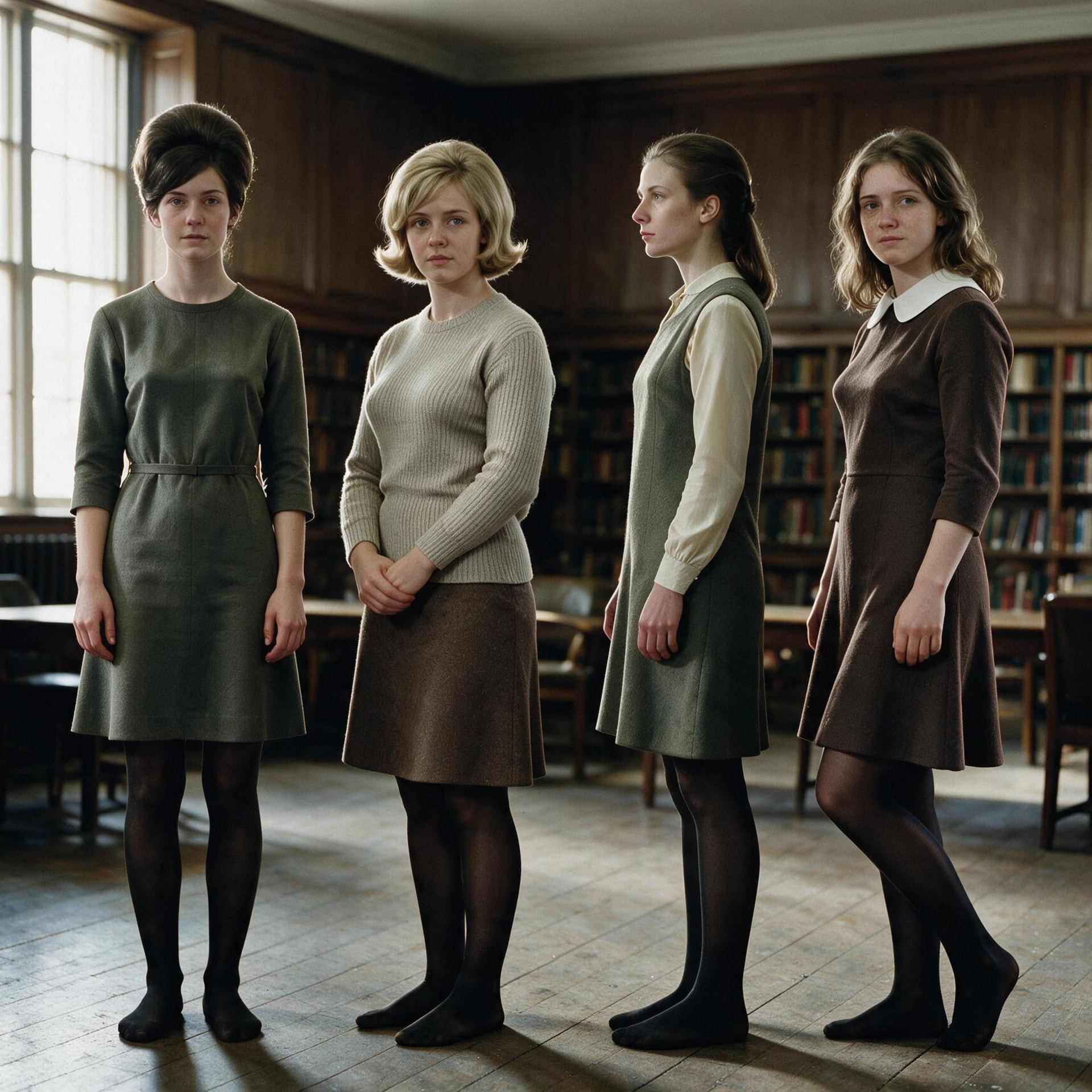
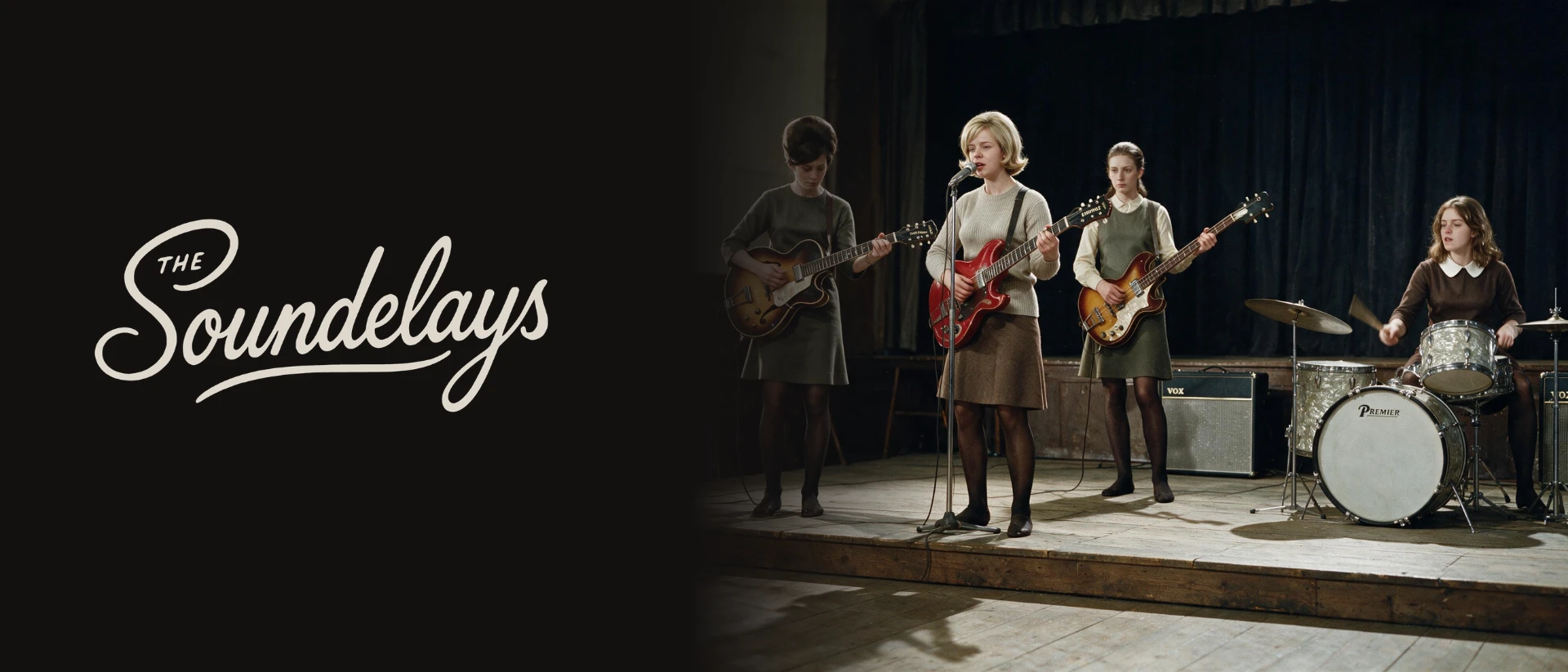
The Soundelays came out of Marlden, a clay town in the Weald between Kent and Sussex, where the brickworks was the largest employer and every house in the parish cracked and settled with the ground beneath it.
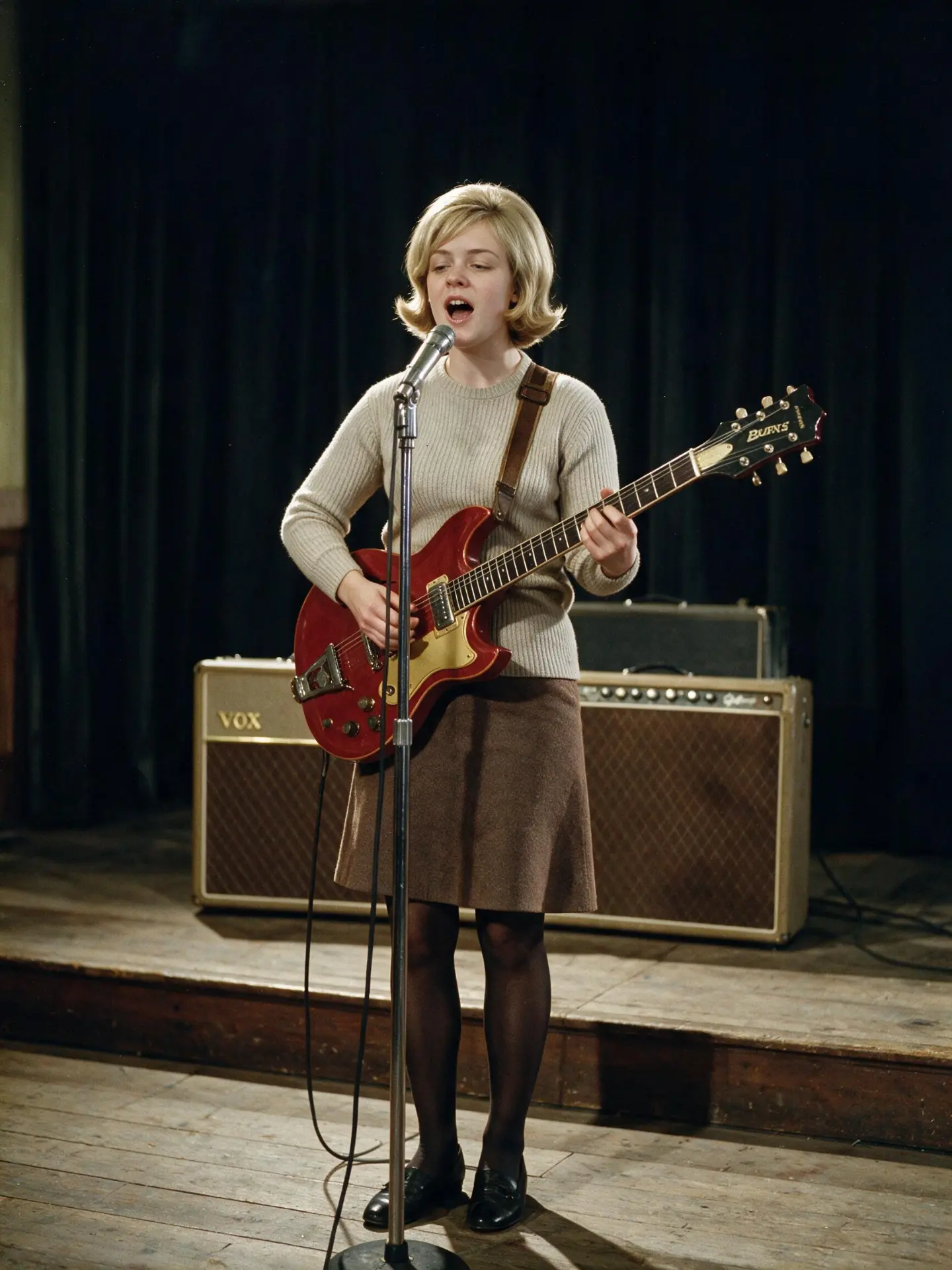
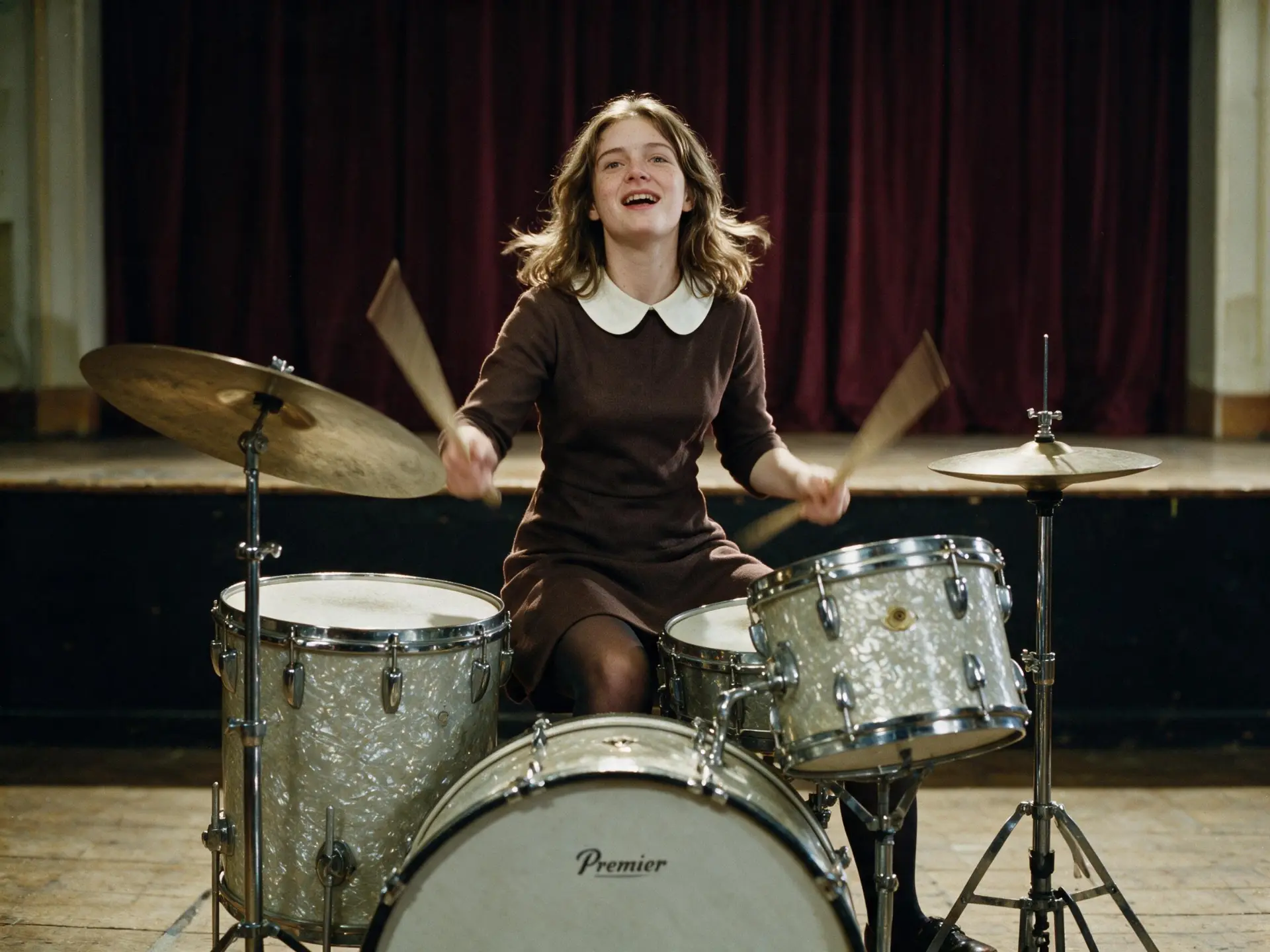
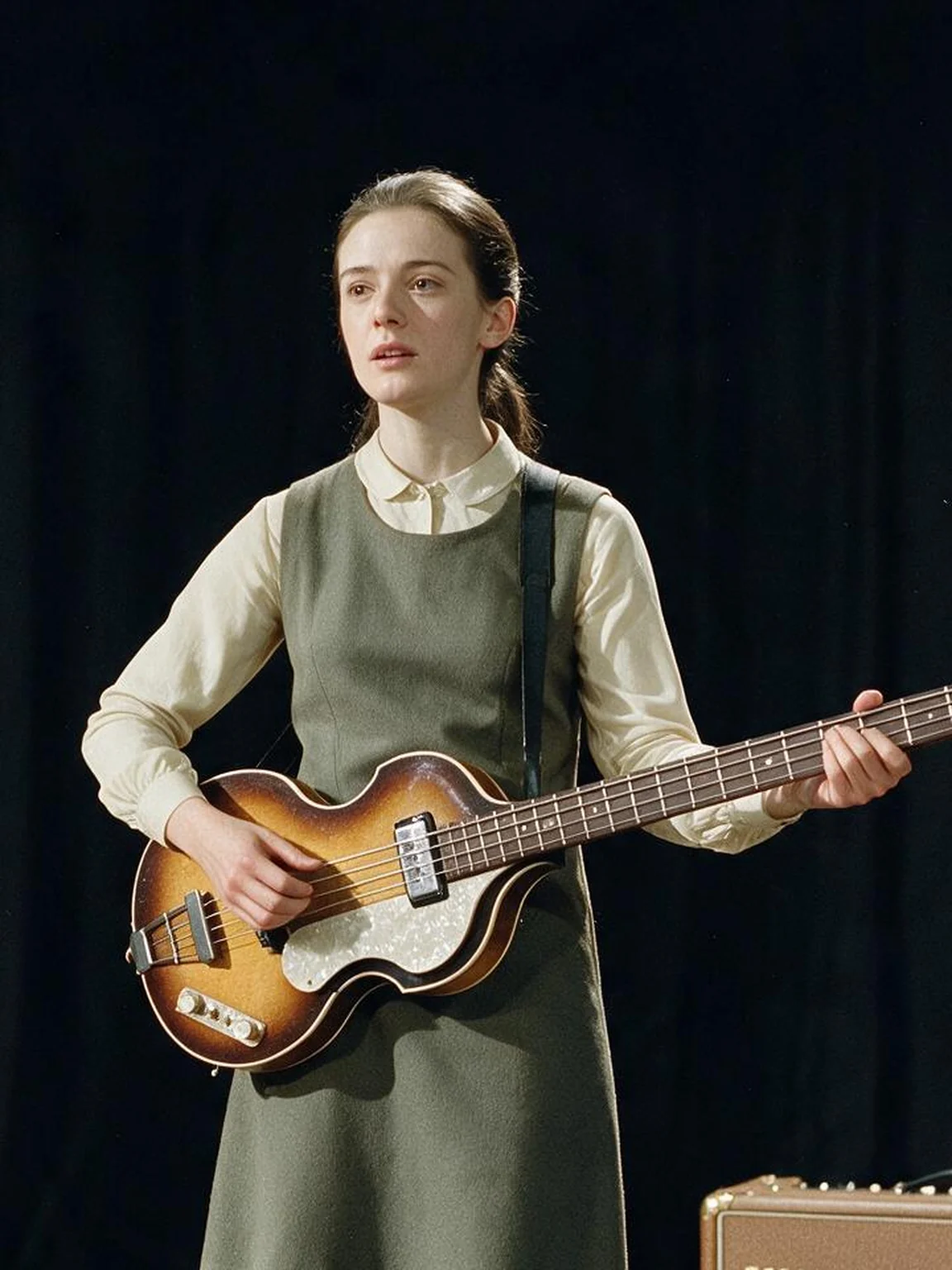
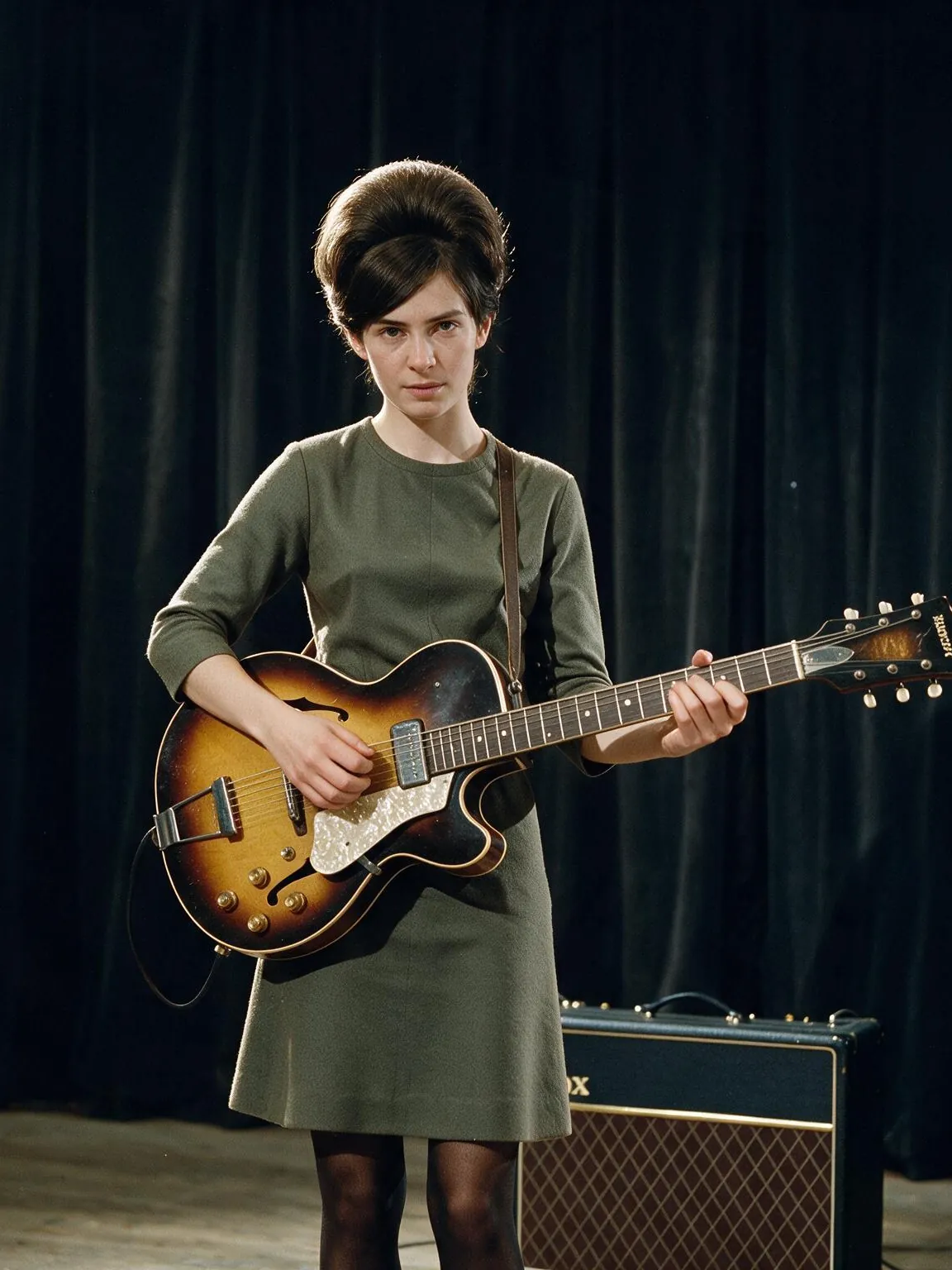
Four women, four instruments, all played by them: Julia Pilbeam on rhythm guitar and lead vocal, her younger sister Rosie on drums and vocals, and the Ticehurst cousins — Polly on bass, piano and keyboards, vocals, Grace on lead guitar and vocals. In 1967, an English beat group played entirely by women was very close to unheard of.
For all the modest gear of a small town, their talent was big enough to take on the world. Guitars through Vox AC30s, a short-scale hollow-body bass, chapel-organ keys, and a small Premier kit, close-miked and dry. Four-track tape, no polish, the room still audible behind the voice.
The songs find their drama in the small rituals of young women discovering the world — all the passion and curiosity of it — and let the feeling arrive by indirection. A library fine of twopence a day. A hire-purchase card stamped each Friday. A roll of twelve exposures, ready Thursday. A conductress calling fares on the last bus from the market square. Nobody names what she feels. She speaks of the paperwork, and the ache is understood.
THEIR FIRST RECORD
The Soundelays
33⅓ R.P.M. · MONO · 1967
Thirteen songs. Select a title to read the words.
Half past nine. The slicer's on. Mrs Vane. That's one and eight. Then you. The heat's come up your cheek. Your list. Three pence. The others wait. and what can I get you. On tick On tick On tick Four and six, and the slicer runs. You're short. You count them twice. The same. Put it down. I'll mark it up. You said your mum's. I put your name. and I don't look up. On tick On tick On tick Half of streaky. Quarter of tea. Next, please. I chalk. I cut. I weigh. You're out the door. The bell goes. A run on ham. I wipe the tray. and it's gone eleven. On tick On tick On tick On tick The book's laid flat. I pressed too hard. Four and six on the sheet below. and the slicer runs.
Half ten. Market square. Last bus. The step is wet. The rail is worn. I call pass right down inside. One ring stops us. Two rings on. and the clay comes in. Fares, please. Three pence to the bridge. Fares, please. I take the front. I work back. You stop at the stair. You stand. I call hold tight. You hold on. Your sixpence. Warm change in your hand. and the Setright turns. Fares, please. Past the bridge, tuppence more. Fares, please. Ten to. The bridge comes up. Full up at eight. Now two. Now one. We pass the bridge. You don't get down. and the cord at your hand. You didn't ring. I rang us on. Fares, please. Fares, please. and the cord swings back. Fares, please.
Stay on the step. I'll take it here. Hold it up. The hall light's hard. March to August. Lent in good faith. Label's clean. I'll mark the card. and the centre's true. sound, both sides hardly played As new New for old, you said. It's not. You played the B side down to grey. Six and eight it cost. Bought it new. Two hundred plays. At least, I'd say. and it's still warm. sound, one side grey on the B fair, for the age As new You claim it sat on a shelf. Dry. In the dark. Flat, and cold. A mark at the run-in. Comes round. The paper's soft along the fold. The sleeve's not mine. sound, near enough scuffed, it plays grey right through one owner As new and mind the step.
I've brought these round. You didn't ask. They're off our tree. They'll not keep long. Conference, these. One and six a pound. Half nine. You say the kettle's on. and both hands hold the bag. I'm not stopping There's another one at ten past I'm not stopping The bus goes past. The windows lit. Twice now, the kettle. From the door. Mum's had a bag off Mrs Rowe. She'll not be wanting any more. but my hand stays down. I'm not stopping Ten to eleven. The glass. I'm not stopping Cold from the larder. Paper's damp. Thirty foot of grass to your door. Call again, you say. It's late. Your mother, from the back. Who is it. It's no one. She's not stopping. I'm not stopping I'm not stopping The door goes to. The hall light's gone. The bag comes home with me. and my step on the road.
I left the roll on Friday. Twelve. The developing's sent away. Four and six. One set, on gloss. She licked the pencil and wrote the day. and the ticket said Ready Thursday One. Two. Three. Four. Five. Six days. Ready Thursday I hand the ticket back at nine. Brown envelope. She reads the name. They come half out. Serrated edge. Twelve on the roll. Eleven the same. and the queue moves up Ready Thursday Eight. Nine. Ten. Eleven. Same. Ready Thursday I took the kiln. He walked the yard. The girl. The van. The tongs. The pence. Six days it sat. They had it first. Twelve. He is looking straight down the lens. and the date's on the back Ready Thursday Eight. Nine. Ten. Eleven. I count them twice. Eleven. Ready Thursday
Stalls, one and nine. I'm on at six. The torch, the tray. I hold the door. Same reel. Same scratch at the splice. The beam lies flat along the floor, and the aisle slopes down Held over Second big week. Held over Wednesday. Twenty past. Two late. The mac comes off. Both coats are wet. I shine it low. They follow. I walk them down. Row F. The left, but the beam stays down Held over Two seats kept back. Held over Second Wednesday. Twenty past. I tear them both. I keep the stub. The beam stops. The second seat. My torch goes down. Her eyes come up, and the reel runs on Held over Lights up. Held over The last house out. Ten forty-five. I sweep the stalls. Ash at my feet. I walk back down. Row F. The left. I sit in the second seat, and it's still warm
Half eight. Two dozen brown. One short. I lift the tray. The coin comes cold. A window cut in all the brown. Notes in. Then coin. Then card. Then close. and the gas fire ticking Made up by nine and the sums come right Made up by nine I count his hours through the hole. Three down for Thursday. Six to nine. Time and a half on four and six. I take his card. I rule the line. and I don't lift the flap Made up by nine and the sums come right Three hours down. Made up by nine The gate book, Thursday. After six. The page runs clean. No hand. No name. I run my thumb down. Six o'clock. The one name down at six. My name. and I took the key Made up by nine and the sums come right Three hours down. Time and a half. Card and book. Made up by nine Third box along, by ten to nine. I lick the flap. The gum turns sweet. and I press it down
Thursday. Half three. The blind is down. He rests the trial frame on my nose. Head still now. Black letters on white. Seven rows. and one lamp on Better or worse Third line down. I count four. Better or worse He drops the lens. The letters hold. The ironmonger's. First floor. A light. Are you sure? Two heads at the window. Then white. and the gas fire hums Better or worse His shoulder. The window. Clear. Better or worse He slides one in. The heads come up. One at the glass. One at the sill. I said worse. He lifts it out. He clicks it in. and the white comes back Better or worse Worse. Better or worse In pencil on the card. Two years. Nothing to pay. In pencil.
Third Sunday. Same box. Same hill. A trunk call is three and six. I have the four. Ten past nine. I ring one hundred. Four pennies in the slot. They stay. The town, the number. She says hold. I gave the girl his name to say. and the door won't shut. It's a Miss Ash, from Marlden. Accept the charges. Coventry. Two one nine four. The man outside taps on the glass. A penny. Four seconds. One more. The bell goes twice. A voice. Not his. The line hums. Then I hear a door. and the tap again. It's a Miss Ash, from Marlden. Accept the charges. Trying to connect you. Thank you, miss. I'll hold the line. Clay in the seam of my thumb. He rang this box in June. and the light is out. It's a Miss Ash, from Marlden. Accept the charges. The man wants to know. I've finished. Yes. and the four came back down.
Friday. You come in past the bed. You sign the line. I stamp the date. The ticket's up on the pillow. Sold. It's put by till the last is paid. and a shilling a week. Spoken for Four to go Spoken for Two names in the book. One signs. Two pound down. It's all but full now. I asked for the name. You gave me his. You gave the road. I'd put it down. but the nib bit the page. Spoken for Two to go Spoken for The ticket comes off at nine. The van goes out at ten. A new suite in. It's held. The ticket goes up again. and two pound down. Spoken for Spoken for Spoken for The stamp goes back in the drawer.
I'm not sitting down for this, I'll bet you're gonna hang me up I see right through it, love, I do, and still you're gonna talk me round the wireless plays on I'm not asking you in tonight, I'll bet you're gonna wear me out Don't come back to fetch your things, I'll send the lot of it away. the wireless plays on I'm not going under for this, I'll bet you're gonna pass me over I'm not leaving the light on, and you're the one who'll switch me off the wireless plays on "Ten long years and I'm still countin' 'em down," "Ten long years and I'm still countin' 'em down," "and the one that got away don't never come around." The years'll take it back from us, and I'll be the one that got away. I never heard the end of that one song.
Found it in a box marked BOOKS, which was honest. Eleven years and a bit past due. Somebody wrote in the margin in pencil. It wasn't me. The girl at the desk types the number in twice. The number comes out bigger than the book. She says that they can waive it if I want. I said no. It's a dollar a week. Or it was. Still counting. Fine per day. Eleven years at a dollar a week. Fine per day. Fine the way I said I was. Fine per day. She stamps the card and puts it back in the sleeve. Somebody else can take it out on Thursday. They'll get the pencil and they won't know whose. Neither do you. It's a dollar a week. Or it was. Still counting. Fine per day. Eleven years at a dollar a week. Fine per day. Fine the way I said I was. Fine per day. I know the handwriting. I know what it says. It says go back and read chapter nine. I never did. Fine per day. Eleven years at a dollar a week. Fine per day. Fine the way I said I was. Fine per day. I kept the receipt.
Square spaced time travel, Tamed taint-less-ness, some would say. Many tough decisions in the barrel, She fired the easiest ever to play but it was heavy We're settled now A worn fresh start We're settled now Twelve out of ten times, She slid in the same self soap. In all of them, she never knew why Harshness held up and hid her hope, and dust settling down We're settled now Cracks behind the stands We're settled now Countless runaways after Time running in, self soap running out. We're settled now We're settled now